


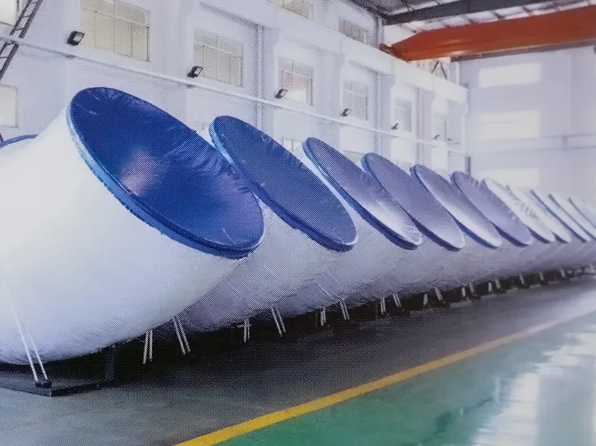
Butt-welded fittings, which are typically manufactured from carbon sTeel, stainless steel, or alloy steel, require appropriate surface treatment to enhance corrosion resistance, extend service life, and ensure reliable performance in Pipeline systems. The selection of a specific surface treatment method depends on various factors, including the application environment, project specifications, material composition, and cost considerations. A thorough understanding of the available surface treatment options is essential for engineers and procurement professionals seeking to optimize the performance and longevity of butt-welded fittings in their specific applications.
The Importance of Surface Treatment for Butt-Welded Fittings
Surface treatment plays a critical role in the overall performance of butt-welded fittings. Beyond merely improving aesthetic appearance, these treatments provide essential protection against corrosion, wear, and other environmental factors that can compromise the integrity of the fitting over time. The manufacturing process of butt-welded fittings, which involves forming, welding, and heat treatment, can leave the surface with scale, oxidation layers, and residual stresses that make the material vulnerable to degradation. Proper surface treatment addresses these vulnerabilities, creating a protective barrier that significantly extends the functional life of the fitting in demanding operating conditions.
Mechanical Surface Preparation Methods
Sandblasting and Shot Blasting
Sandblasting and shot blasting are fundamental surface preparation methods that use abrasive media propelled at high velocity to clean and profile the surface of butt-welded fittings. These processes effectively remove mill scale, rust, oil, oxide layers, and other impurities from the metal surface. The abrasive impact creates a uniformly roughened surface profile that significantly enhances the adhesion of subsequent protective coatings. Sandblasting is particularly effective for achieving surface cleanliness grades of Sa 2.5 to Sa 3.0 according to ISO 8501 standards, which represent near-white metal and white metal conditions respectively. This level of cleanliness is essential for applications requiring high-performance coating systems, as any residual contamination can compromise coating adhesion and lead to premature failure.
Grinding and Mechanical Polishing
Grinding is the most fundamental surface treatment method, utilizing tools such as angle grinders and bench grinders to smooth out weld beads, spatter, and burrs on weld seams, as well as scratches and dents on the workpiece surface. This process renders the surface flat and smooth while simultaneously removing mill scale and rust, thereby laying the foundation for subsequent rust removal and anti-corrosion treatments. Mechanical polishing represents a more refined approach to surface finishing, using progressively finer abrasive materials to remove surface imperfections and achieve a smooth, shiny finish. The degree of smoothness can be adjusted by selecting different grades of abrasive materials, ranging from coarse to fine. Polished surfaces offer enhanced aesthetics and improved cleanability, making them suitable for applications where appearance matters, such as architectural projects and industries with strict hygiene requirements.
Chemical Treatment Processes
Acid Pickling and Passivation
Acid pickling and passivation are closely related chemical treatments that are particularly important for stainless steel butt-welded fittings. During the pickling stage, an acidic solution, typically containing nitric acid and hydrofluoric acid, is used to remove mill scale, oxidation layers, and weld discoloration from the workpiece surface. The subsequent passivation process involves treating the fitting with a chemical solution, commonly nitric acid or citric acid, which forms a thin, protective chromium oxide layer on the surface of the stainless steel. This passive oxide layer acts as a barrier, preventing the underlying metal from reacting with corrosive substances in the environment. The passivation treatment is especially critical for restoring the corrosion resistance of stainless steel after welding, as the heat from welding can damage the natural passive layer. The combination of pickling and passivation creates a surface that is both clean and highly resistant to corrosion.
Phosphating
Phosphating is a chemical treatment that creates a dense phosphate film on the surface of the fitting, which effectively prevents rusting while simultaneously strengthening the bond between the protective coating and the workpiece substrate. This treatment is particularly suitable for carbon steel fittings that will receive subsequent paint or coating applications, as the phosphate layer provides an excellent foundation for organic coatings. After acid pickling and phosphating, the workpiece must undergo thorough rinsing and drying to prevent any residual acidic solution from corroding the material.
Hot-Dip Galvanizing
Hot-dip galvanizing is one of the most robust and long-lasting surface treatment methods available for butt-welded fittings. The process involves immersing the fittings in molten zinc at approximately 450 degrees Celsius, which forms a series of zinc-iron alloy layers that protect the steel from corrosion. The resulting coating provides exceptional corrosion protection, with service life extending from 20 to 50 years depending on the environmental conditions. Hot-dip galvanized fittings offer excellent resistance in outdoor, humid, and industrial environments, and the coating is thick and impact-resistant. However, it is important to note that hot-dip galvanizing is not suitable for fittings that will undergo welding after coating, as the heat from welding can damage the zinc layer and produce toxic fumes. This method is commonly specified for fire protection systems, water supply pipelines, outdoor industrial pipelines, and steel structure applications.
Electroplating and Electro-Galvanizing
Electroplating is a surface treatment method that involves depositing a thin layer of metal onto the surface of the fitting using an electrochemical process. Common metals used for electroplating include chromium, nickel, and zinc. Electro-galvanizing, or cold galvanizing, applies zinc through electroplating to create a thin coating that is primarily aesthetic in nature. While electro-galvanized fittings offer a smooth and shiny appearance at a lower cost than hot-dip galvanizing, the corrosion resistance is significantly weaker and not suitable for harsh environments or long-term outdoor use. Electroplated coatings can provide improved wear resistance, particularly with chromium plating, and can serve decorative purposes by achieving specific aesthetic finishes. These treatments are typically specified for indoor plumbing components, automotive applications, and environments where corrosion conditions are mild.
Organic Coating Systems
Epoxy and Polyurethane Coatings
Organic coating systems, including epoxy and polyurethane paints, are applied after proper surface cleaning to create a protective barrier on the fitting surface. Epoxy coatings offer good chemical resistance and can be customized in thickness and color, making them suitable for low to medium corrosion environments. Polyurethane topcoats provide excellent weather resistance and color retention, making them ideal for outdoor installations. These coating systems are typically applied in multiple layers, including a primer coat for adhesion, intermediate coats for build and barrier properties, and a topcoat for weather resistance and aesthetic appearance. The selection of specific coating materials depends on the operating environment, with specialized formulations available for high-temperature, chemical, or abrasive service conditions.
Fusion Bonded Epoxy Coating
Fusion bonded epoxy coating is a specialized internal coating method where powder epoxy is fused to the internal surfaces of the fitting at high temperature. This treatment provides excellent internal corrosion resistance and creates a smooth surface that reduces flow resistance. Fusion bonded epoxy coatings are particularly suitable for potable water systems and pipelines carrying corrosive fluids, as the coating is hygienic and provides long-term protection against internal corrosion. While the cost is higher than conventional painting, the superior performance in demanding applications justifies the investment for critical service conditions.
Protective Oil and Temporary Coatings
Anti-rust oil coating is a simple and cost-effective method for temporary protection of butt-welded fittings during storage and transportation. A thin layer of lubricating protective oil is applied to the surface to prevent oxidation without affecting the weldability of the fitting. This treatment is not suitable as a permanent corrosion protection solution but serves as an effective interim measure for fittings that will undergo further processing, painting, or welding after installation. The oil coating must be cleaned before applying permanent coatings or before the fitting is placed into service.
Specialized Surface Treatments
PTFE and Non-Stick Coatings
For specialized applications, PTFE coatings can be applied to butt-welded fittings and related equipment. These non-stick coatings are particularly valuable in processes involving hot plate welding of polyethylene pipes, where PTFE-coated heater plates prevent the molten plastic from adhering to the metal surface. The non-stick properties of PTFE coatings provide efficient production yields, easy-clean surfaces, and minimized downtime in manufacturing processes.
High-Temperature and Wear-Resistant Coatings
For fittings operating in extreme environments, specialized coatings can be applied to enhance performance. High-temperature coatings, such as aluminum-silicon or MCrAlY systems, provide oxidation resistance at elevated temperatures. Wear-resistant coatings, including tungsten carbide or ceramic materials applied through thermal spray processes, can significantly extend the service life of fittings handling abrasive media. These specialized treatments are typically reserved for demanding applications in the chemical, power generation, and mining industries where standard coatings would be inadequate.
The Selection Process for Surface Treatment
The selection of an appropriate surface treatment for butt-welded fittings requires a systematic evaluation of multiple factors. The operating environment, including exposure to moisture, chemicals, temperature extremes, and ultraviolet radiation, is the primary consideration. The material of the fitting significantly influences the available treatment options, with stainless steel requiring different approaches than carbon steel or alloy steel. Project specifications, industry standards, and regulatory requirements may mandate specific surface treatments for certain applications. Cost considerations, including both initial treatment cost and long-term maintenance expenses, must be balanced against performance requirements and expected service life.
The range of surface treatments available for butt-welded fittings is extensive, offering solutions for virtually every application and operating condition. From fundamental mechanical preparation methods like sandblasting and grinding to advanced chemical treatments such as passivation and phosphating, each technique serves a specific purpose in preparing and protecting the fitting surface. Hot-dip galvanizing provides exceptional long-term corrosion protection for outdoor and industrial applications, while organic coating systems offer versatility in color, thickness, and chemical resistance. The selection of the appropriate surface treatment requires careful consideration of the material, operating environment, performance requirements, and budget constraints. By understanding the characteristics and Capabilities of each available treatment method, engineers and specifiers can ensure that butt-welded fittings deliver optimal performance, reliability, and service life in their intended applications.
Largest manufacturing base for pipe fittings
A World Leading Pipe Fittings Manutacturer
Meeting and exceeding all your expectations

Address: No. 99, Baoying Street,Baoying County, Jiangsu Province, China
Tel: 0086-514-88290587 / 88989086
Mobile : 0086-18932365939
Contact Person:Tony Xu
E-mail: xqh@yz-huayu.com
Products
Butt-welded Fittings Forged Fittings Flanges PipesAbout
Company Profile Plant Area OverviewNews
Company News Industrial NewsContact
Contacts Online MessageKeep In Touch

© 2025 Yangzhou Huayu Pipe Fitting Co.,Ltd. All rights reserved | Powered by Yicheng Network | sitemap
This website uses cookies to ensure you get the best experience on our website.



 Phone
Comment
(0)